The weather in Atlanta over the past few days has been very hot and humid. I have learned a valuable lesson about keeping properly hydrated when exercising, especially when exercising vigorously.
Yesterday, I rode my recumbent bike with some friends on the Silver Comet Trail. It was VERY humid. I sipped water during the 30 mile ride. For the last 15 miles we rode hard, and the harder I pushed, I became preoccupied with speed, and forgot to drink. At the end of the ride I, and my buddies, were quite tired. When I got home I ate lunch, and feeling very spent, I took a nap. I slept deeply for a couple of hours. Little did I know I was building up dehydration in my body.
Today, I had scheduled a century (100 mile) ride in Cartersville. I didn't sleep well last night and woke this morning feeling tired and unmotivated to ride. Nevertheless, I showed up at the ride at 6:30 am feeling unprepared to go 100 miles, even though I have trained extensively doing 7 centuries so far this year. This one should be a 'piece of cake' except this ride is very hilly.
I started about 7:00 am, and after about 20 miles, decided to do a shorter ride and skip the full century. It was again very humid today with temps in the high 80s. I struggled through a 60 mile ride. At the end, I was very tired, more so than normal for this length ride.
When I returned home, I ate lunch and took another nap, but felt lousy upon waking. My lack of a good night's sleep was part of the problem, but finally diagnosed the problem as dehydration. Yesterday, I drank inadequate amounts of fluid on the ride, given the weather conditions. Last evening, I did not adequately replace the fluids that I had lost during the ride. This, I think, led to my bad mood, and trouble sleeping. I woke this morning dehydrated and tired, never making up for the lost fluids. During the ride today, I drank, but, again, inadequately for a hot humid day.
This evening I finally figured out why I felt so bad before, during and after today's ride. Over the past couple of days I had built up a serious case of dehydration. After I drank LOTS of water this evening, I immediately felt much better. The problem was that I was used to drinking a certain amount of water during my rides, but failed to adjust to the hotter, humid weather. The dehydration affected my mood, and my performance during today's ride. From now on I will drink lots of water before, during, and after my rides.
Dehydration is a health issue for all of us, whether we are athletes or not. Keeping well hydrated will have a positive impact on our moods, performance and overall health. Valuable lesson learned!
The thunderstorm started, luckily, just as I was finishing my trike ride at Stone Mountain Park. I started early to beat the bad weather. Today my timing was perfect.
Although a bit humid, the weather before the storm was ideal for riding. A couple of times per week, I stow my recumbent trike in my minivan and drive to the park for 2-3 hours of leisurely riding and, usually, listening to an audiobook on my iPhone. During the week, the traffic is very light, so donning my listening headset and enjoying a book on the ride is safe. Today's book was Storyteller, by Jodi Picoult.
Stone Mountain Park is very hilly. And, the hills are mostly steep. My trike is ideal for this type of terrain. I can move along at a relatively leisurely average pace, about 13 mph. I can ascend the mountains with no worries about losing my balance (some of the grades are over 15%) and get a terrific cardiac workout. Today, I covered about 35 miles in 2:44.
There is something joyful about exercising the body and the mind at the same time. Not only can I concentrate on the book while riding, the strenuous riding seems easier as I focus (mostly) on the listening. At the end, it is very satisfying to have both enjoyed the book and the ride all at the same time.
The riding course at Stone Mountain park is composed of five mile and seven mile loops, which overlap. The terrain is all up and down hill. The seven mile loop contains Heartbreak Hill, which is a third of a mile steep climb that builds to well over 15 percent grade at the end. I sometimes shy away from this climb when on my two wheeler, but on my trike I climb Heartbreak Hill without any qualms. On today's ride, I entered the climb while listening to an especially engaging part of Picoult's book, so the hard ascent seemed much easier than usual. My mind was on the plot, not the burning in my thighs. My ride today included over 2500 feet of climbing, which seemed easy, as I enjoyed the book.
Heartbreak Hill is my periodic medical checkup. I figure that if I can do this climb repeatedly, and feel good about it, my health is in good shape. Well, I am exaggerating a little, but clearly as I age, climbing Heartbreak Hill on my trike is one of the events that I use to measure my overall fitness. If I can do 4-5 hill repeats on Heartbreak Hill in one workout, well, then my conditioning is reaching its peak. I am ready to compete with the younger folks. Although, frankly, I do not compete much these days. Mostly, I compete versus myself.
There is an additional dimension to my riding at Stone Mountain Park. When I ride this challenging course, and listen to a good book, in a sense, I am also meditating. This workout is very relaxing psychologically. I always feel calm and in good spirits during and after. If I am worrying about something before the ride, those worries tend to melt away as I proceed. At the end my mind is clear and my thoughts are joyful.
I love working out hard. I also love to read. By combining the two, I have a wonderful day.
This is an amazing development. The Urological Association has for many years been one of the more aggressive promoters of the PSA exam. The new guidelines published by the Association are as follows:
PSA screening in men under age 40 years is not recommended.
Routine screening in men between ages 40 to 54 years at average risk is not recommended.
For men ages 55 to 69 years, the decision to undergo PSA screening
involves weighing the benefits of preventing prostate cancer mortality
in 1 man for every 1,000 men screened over a decade against the known
potential harms associated with screening and treatment. For this
reason, shared decision-making is recommended for men age 55 to 69 years
that are considering PSA screening, and proceeding based on patients’
values and preferences.
To reduce the harms of screening, a routine screening interval of two
years or more may be preferred over annual screening in those men who
have participated in shared decision-making and decided on screening. As
compared to annual screening, it is expected that screening intervals
of two years preserve the majority of the benefits and reduce over
diagnosis and false positives.
Routine PSA screening is not recommended in men over age 70 or any man with less than a 10-15 year life expectancy.
This represents a major departure from the past and, hopefully, signals a much more conservative and sensible use of the PSA exam.
According to a recent post on Dr. Joel Fuhrman's blog DiseaseProof,
there is a strong link between the use of statin drugs and kidney
disease. Below is an except from this post. For the full article
follow this link. "Those who began taking high potency statins had a 34% increased
risk of being hospitalized for acute kidney injury within the first
six months of statin therapy compared to those on lower doses.
Although this study did not evaluate the risk associated with
low-potency statin use vs. no statin use, the data does establish that
statin drugs may have harmful effects on the kidney."
"Now,
new data has confirmed the connection between statin use and acute
kidney injury. Acute kidney injury is a sudden loss of the kidneys’
filtering capability; the normal functions of removing waste products
from the blood and balancing fluid and electrolytes cannot be carried
out. Acute kidney injury is a serious condition that can lead to
permanent damage or loss of kidney function or even death. In the
current study, high-potency vs. low-potency statin doses were compared
(high potency was defined as minimum 10 mg rosuvastatin, 20 mg
atorvastatin, or 40 mg simvastatin). The study examined Canadian
healthcare records to investigate a total of 2 million patients who had
been newly prescribed a statin, and the incidence of hospitalization
for acute kidney injury during early statin use."
The
main message in Dr. Fuhrman's post is that we have a choice when facing
elevated cholesterol, we can either take a medication such as statin
drugs, which not only increase the risk of kidney damage, but also make us more vulnerable to liver and muscle damage, or we can make lifestyle changes that are also effective at lowering cholesterol but with zero side effect. Switching to a whole foods plant-based diet, and getting regular moderate to vigorous exercise are extremely effective at lowering the risk of heart disease. So which will it be -- drugs or lifestyle changes. To me, the choice is obvious.
A post today on Dr. Fuhrman's DiseaseProof blog proclaims that eating health is the best way to fight the Flu. Here is the text:
Disease Proof
Posted at 8:00 AM on January 17, 2013 by Joel Fuhrman, M.D.
Eating Right Gives the Most Protection During This Flu Season
We are having lots of viral illness going around, and I was asked to comment on the flu vaccine again. Certainly, with the flu virus circulating this season, flu-phobia is everywhere. Plus, there is a shortage of flu vaccines, so what are we to do? The answer is eat right, get enough sleep, and keep your hands away from your face (until right after you wash them). It is very difficult to get a significant viral inoculum if you do not put your hands near your mouth and nose. Remember, when you are in public, such as at work or school resist the temptation to touch your face or put your hands near your nose or mouth. That works, because you can’t get enough virus in the orifices of your body just by breathing the air, unless someone coughs right on you.
Plus, the flu shot is not very effective anyway. Please consider that over 200 viruses cause influenza and influenza-like illness; both produce the same symptoms, such as fever, headache, aches and pains, cough, and runny nose. Laboratory tests are required for doctors to tell the two illnesses apart. Both illnesses last for days and both rarely lead to death or serious illness. Even in the best-case scenario, vaccines might be effective against only some influenza A and B, but those represent less than 10% of all circulating viruses.
Each year, the World Health Organization makes recommendations for which viral strains should be included in the upcoming year’s flu vaccinations. So the vaccines may have some effectiveness against specific viral strains, but the degree to which the vaccine-included strains match the virus actually in circulation varies from year to year.
So that means that even if you are in that 10 percent of sick people with flu-like symptoms who really have influenza A or B, only about half of those vaccinated will be helped by the vaccine because the other half will have strains that were not included in the vaccine.1 And even with the best matching conditions the vaccine may diminish your symptoms somewhat, but not necessarily preclude you from catching the flu. The internationally renowned Cochrane Collaboration investigated this issue directly by reviewing all the relevant studies, involving over 70,000 participants. The most impressive thing about this meta-analysis was that the authors were completely independent from the U.S. vaccine manufacturers and the powerful pharmaceutical and vaccine lobby, so the reported results were unbiased.
They assessed all trials that compared vaccinated people with unvaccinated people. The combined results of these trials showed that even under ideal conditions (vaccine completely matching circulating viral configuration), 4% of unvaccinated people and 1% of vaccinated people became infected – the vaccine had only a minor benefit. They authors estimated that under average conditions, 100 people need to be vaccinated to avoid one set of influenza symptoms or you would have to be vaccinated every year for 100 years, to save yourself one flu episode. Interestingly, the study showed that flu vaccine did NOT significantly affect the number of people hospitalized or working days lost, and did not prevent flu-associated complications or those rare flu-associated deaths.1, 2 So even though the vaccine had some very slight effects, the benefits were very small. In fact, in children two years and younger they found the effectiveness of the vaccine was no better than a placebo.3
The Cochrane review’s authors were highly critical of the U.S. Centers for Disease Control, with its members having financial ties to the pharmaceutical companies. They noted that industry-funded studies were more likely to report findings favorable to the vaccines, that there was evidence of “widespread manipulation of conclusions” in those studies. The authors disagreed with the CDC’s recommendation for universal vaccination at all ages without clear evidence of significant effectiveness and safety. Certainly the elderly, the group most vulnerable to non-pandemic flu, should benefit the most, but this also is not observed as the vaccine does not work well in the elderly because of their decline in immune function.3, 4
To summarize, the vaccine does have some slight effects in reducing flu incidence and severity, but in those at most at risk, the very young and the very old, it is not yet clear whether the vaccine has any protective effect at all.
Those of us that are healthy need not worry about the dangers of the flu anyway. No treatment, drug or vaccine is without risk, and you only have to read the circular with the vaccine to be informed of those clear risks. Also, if you do get a flu shot, never get a shot from a multi-use vial, which contains more mercury and preservatives than the single dose vials.
On the other hand, eating your G-BOMBS has no known side effects.
I continue to explore the many benefits of keeping a daily journal. Maude Purcell, pictured here, has written an excellent article titled The Health Benefits of Journaling. In this article she summarizes the benefits:
"Clarify your thoughts and feelings. Do you ever
seem all jumbled up inside, unsure of what you want or feel? Taking a
few minutes to jot down your thoughts and emotions (no editing!) will
quickly get you in touch with your internal world.
Know yourself better. By writing routinely you will
get to know what makes you feel happy and confident. You will also
become clear about situations and people who are toxic for you —
important information for your emotional well-being.
Reduce stress. Writing about anger, sadness and
other painful emotions helps to release the intensity of these feelings.
By doing so you will feel calmer and better able to stay in the
present.
Solve problems more effectively. Typically we
problem solve from a left-brained, analytical perspective. But sometimes
the answer can only be found by engaging right-brained creativity and
intuition. Writing unlocks these other capabilities, and affords the
opportunity for unexpected solutions to seemingly unsolvable problems.
Resolve disagreements with others. Writing about
misunderstandings rather than stewing over them will help you to
understand another’s point of view. And you just may come up with a
sensible resolution to the conflict."
I have been keeping a daily journal since the end of October. I can relate to each of the benefits Ms. Purcell mentions. The "Know yourself better" benefit is especially strong. By recording the significant events of your day, you begin to see patterns...what makes you happy, what makes you unhappy. The daily journal becomes an owner's manual to how to better lead your life.
When I began this exercise, I had low expectations. However, the power of keeping a daily journal quickly becomes evident as you commit to recording your thoughts daily. I highly recommend it.
Since the last week in October I have been experimenting with keeping a daily journal. I have found great benefits to this activity, and I am surprised at the enjoyment I am getting from chronically my daily moods, activities, important events, etc. For the next several weeks, I will record my experiences with keeping a journal for those interested.
I am beginning to see some tangible benefits from keeping a daily journal. Journaling helps keep life in perspective. I look back on entries I made to my journal in the past, and it helps me measure my feelings today, compared to then. If, for example, I am in a bad mood today, and see life as a dark adventure, I have only to look back, sometimes a few days, to see that I was very happy.
Journaling also helps fulfill my need to express myself. Writing down my feelings helps me assess my moods from a more objective vantage point. Thoughts and feelings that I would be reluctant to share with others, can be written in a secure environment where only I can see it.
Keeping a journal also allows me to keep a running history of my life. I am amazed at how quickly I forget important events that may have happened just a month ago. By periodically reviewing my journal, events stay fresh in my mind. When did my son buy his new car? How was I feeling before the presidential election? How did I feel afterwards? Journaling is a memory enhancer. I am now less likely to say to myself "when did that happen." The date is either in my mind, or just a journal-read away.
I have also discovered a way to always have my journal accessible. I now use Day One. Just started using it today, and was able to include most of my journal entries back to the end of October, December 10. Day One is a computer program. I have a version on my Macbook Air, iPad and iPhone. One of these gadgets is always with me. So, when I feel like writing, I can.
One of the other advantages of keeping a journal on a computer is the ability to quickly add photos, icons, doodles and other visual tools to a journal entry. "Pictures are worth a thousand words." Images add significantly to making a journal entry vivid and memorable. For example, while training on my bike, I can take a quick photo with my iPhone, enter the photo in my journal and keep a great visual history of the ride.
The article on this website, summarizes many of the real advantages of journaling.
I have been following Dr. Gabe Mirkin's writings for many years. A former runner, Gabe is now a cyclist. Along with his wife they ride a tandem, and separately. Dr. Mirkin publishes a weekly Fitness and Health e-Zine Newsletter, which shares wisdom about exercise and health. Here is more information about him.
At age 77, Mirkin is a true inspiration. He and his wife regularly ride 30-60 miles on their tandem.
There have been some articles in respected research publications recently that suggest that intense endurance training may be harmful to the hearts of aging athletes. In his last e-Zine, Dr. Mirkin addresses this issue(see below), and concludes that the risk of inactivity is far greater than the risks of activity, even intense activity. You can subscribe to the e-Zine here.
At age 70, I am especially interested in this subject. I ride between 150-200 miles per week, and work out twice per week with weights. Next year, I have joined the Ultra Marathon Cycling Association's year-rounder program. My goal is to ride at least one 90-140 mile ride per month and accumulate 1500 miles or more with long distance rides. My yearly goal is 8,000 miles or more. Am I harming my health?
Below is the article I refer to from Dr. Gabe Mirkin's Fitness and Health e-Zine
December 9, 2012:
_____________________________
Healthy Older People Can and Should Compete in Endurance Events
An editorial in the January 2013 British medical journal,
Heart, states that "Running too fast, too far, and for too many
years may speed one's progress toward the finish line of life."
The author bases his opinion on two recent reports presented at
medical meetings:
* DISTANCE: One study of 52,600 people followed for 30 years
showed that runners had a 19 percent lower death rate than non
runners, but those who ran more than 25 miles a week did not live
longer than non-runners.
* SPEED: Another study showed that runners who ran slower than
eight miles per hour lived longer than non-runners, but those who
ran faster than 8 MPH did not live longer.
These two studies are far too limited to make you think that
older people should limit how much and how intensely they
exercise. THEY APPEAR TO SHOW THAT INTENSE OLDER RUNNERS DO NOT
GAIN AN ADVANTAGE OVER NON-RUNNERS. THEY DO NOT SHOW THAT RUNNING
IS HARMING THEM. No reasonable physician should use just this
data to recommend limiting exercise in older people. Overwhelming
evidence shows that exercise helps prevent and treat obesity, high
blood pressure, diabetes, heart attacks, strokes, and certain
cancers, and helps to prolong life.
I am 77 years old and ride a bicycle more than 200 miles per
week, race three times a week at 20 MPH, do interval training once
a week, and lift weights seven days a week. I have no plans to
change my training.
James H. O'Keefe, a cardiologist in Kansas City who was an
elite triathlon athlete, summarizes his concerns about older
people exercising far and fast (Mayo Clinic Proceedings (June
2012;87(6):587-595). He believes that too much exercise damages
the heart and arteries by:
1) causing heart muscle to release enzymes (troponin and B-type
natriuretic peptide) into the bloodstream, a sign of heart damage.
2) scarring the heart muscle
3) increasing calcium plaques in the large arteries
4) causing irregular heartbeats, in particular atrial
fibrillation.
He is concerned about these findings in spite of the fact
that he has no data to show that older exercisers are harmed by
these changes. Overwhelming data show that exercisers have lower
rates of disability and death (Arch Intern Med, 2008;168(15):1638-1646),
and are healthier and live more than seven years longer than
non-exercisers (Med Sci Sports Exerc., 1993;25(2):237-244).
REFUTING HIS ARGUMENTS COLLECTIVELY: The apparent heart
damage is the same type of muscle damage that is seen in the
skeletal muscles of trained athletes. Here is why these changes
are as beneficial to the heart muscle as they are to the skeletal
muscles.
Every serious athlete learns that all training is done by
"stressing and recovering". IF YOU WANT TO MAKE A MUSCLE STRONGER,
YOU HAVE TO EXERCISE SO INTENSELY THAT YOU DAMAGE THAT MUSCLE.
Then when the muscle heals, it is stronger than before it was
damaged. So, knowledgeable athletes:
* Take a hard workout that damages their skeletal muscles. They
know this because they feel burning during exercise, and soreness
in their muscles eight to 24 hours after this intense workout.
* Then they take less intense workouts for as many days as it
takes for the muscles to heal and the soreness to go away. If they
do not take easier workouts on the days when their muscles are
sore, they often injure themselves.
So workouts for knowledgeable athletes in all sports
typically alternate one or more days of intense workouts with as
many easy workouts as needed to allow recovery.
REFUTING EACH POINT INDIVIDUALLY:
1) HEART MUSCLE RELEASES ENZYMES (TROPONIN AND B-TYPE
NATRIURETIC PEPTIDE) INTO THE BLOODSTREAM, A SIGN OF HEART DAMAGE:
This is the training effect that you expect from proper exercise
training. If you don't "damage" a skeletal muscle, it will not
become stronger. If you don't "damage" the heart muscle, it will
not become stronger. These enzymes that leak from the heart muscle
into the bloodstream return to normal in less than a week, in the
same manner that enzymes from damaged skeletal muscles return to
normal in the same amount of time.
2) SCARRING OF THE HEART MUSCLE: The "scarring" of heart
muscle is the same as the scarring in skeletal muscles. It
disappears after the muscle heals and is necessary for muscles to
become stronger. (Refer to the parts of muscles in the picture at http://www.ucl.ac.uk/~sjjgsca/MuscleSarcomere.gif ). Skeletal
muscles are composed of thousands of muscle fibers. Each fiber is
a long rope made up of a series of thousands of similar blocks
called sarcomeres, lined end to end to form a long chain. Each
block attaches to the next sarcomere at the "Z line". Muscles
function by shortening a little bit at each of the thousands of "Z
lines". The "Z lines" all shorten simultaneously and the entire
muscle then can contract. The "Z lines" are where muscles are
damaged. It is damage to these "Z lines that causes muscle growth
after healing, which makes muscles stronger.
3) INCREASED CALCIUM PLAQUES IN THE LARGE ARTERIES: Plaques
in arteries may have more to do with the diet of endurance
athletes than their exercise programs. High mileage athletes burn
far more calories each day than do casual exercisers. Therefore,
they have to eat far more food in order to have the energy to
power their muscles during training. The extra food that athletes
eat is likely to contain far more saturated fat, sugar, high
glycemic-load foods, red meat, sugared drinks, and calories. All
of these food components can increase the formation of plaques in
arteries. Therefore, it is probably the increased intake of
plaque- forming foods, and not the extra mileage, that may negate
some of the benefits of long and hard exercise. Athletes who eat
huge amounts of food and restrict these unhealthful components
should have almost no plaques at all. I think that future studies
will demonstrate that the increased deposition of plaques has
nothing to do with running more miles or faster miles.
4) IRREGULAR HEART BEATS, IN PARTICULAR ATRIAL FIBRILLATION:
At this time, we do not know if there really is an increased risk
for irregular heartbeats in endurance athletes. All we know is
that older competitive athletes suffer from irregular heartbeats
just as younger athletes and non-athletes do. Furthermore, we
have no evidence that older athletes are at increased risk for the
harmful side effects of irregular heartbeats: fainting, accidents
or sudden death.
The main concern about atrial fibrillation is that the
patients are at increased risk for clotting in general and strokes
in particular. However, nobody has shown that older endurance
athletes with atrial fibrillation are at increased risk for
clotting or strokes.
Dr. O'Keefe himself writes: "Sudden cardiac death among
marathoners is very rare, with one event per 100,000
participants." Here are two of his references: Med Sci Sports
Exerc. 2012;44(6):990-994; N Engl J Med . 2012;366(2):130-140.
BENEFITS OF ENDURANCE EXERCISE IN ALL AGE GROUPS: Dr
O'Keefe is completely honest and reasonable in listing the
following ways exercise helps to prevent and treat heart attacks:
* Increases the good HDL cholesterol
* lowers triglycerides
* treats obesity
* lowers high blood pressure
* Improves insulin sensitivity
* lowers blood sugar
* strengthens arteries
* helps with smoking cessation
* reduces psychological stress
* lowers hematocrit and blood viscosity
* expands blood volume
* prevents clotting
* increases blood flow to the heart
* increases collateral circulation to the heart
* increases tolerance of decreased blood flow to the heart
* reduces atherosclerosis
* enlarges arteries leading to the heart
* reduces major sickness and death
MY LAST WORD ON THE SUBJECT: I am 77 years old and plan to
continue riding my bicycle 200 miles a week.
Note: I have sent this to the Wall Street Journal in
response to their article, "One Running Shoe in the Grave",
November 27, 2012.
I have been thinking a lot lately about safe cycling. In early November, I plan on riding a Century event (100 miles) and am stepping up my training.
While I do not want to be 'paranoid' about riding in traffic, I am well aware of the dangers. I have been studying up on cycling safety. With many years of riding behind me, I am not a novice. However, it never hurts to bone up on the latest intelligence about riding safely when there is traffic around.
Most of my training is done on rural roads, bike trails and in a park with relatively little traffic. However, I do encounter traffic once in awhile.
Attached to this post is a mind map I developed with what I consider to be some of the best wisdom on riding a bike safely in traffic. The link to this image is here. If you follow the link you'll be able to download the mind map image and get a better view. When clicking on the image in this post, you can enlarge it.
The Paleo Diet is one of the latest diet fads. It may lead to weight loss, at least in the short term. However, in my opinion, it is not a healthy diet, containing way too much saturated fat and animal protein, both of which have been linked by loads of research to the chronic diseases that affect so many people around the world.
Katharine Milton, PhD was a recent Guest Speaker at the McDougall
Advanced Study Weekend in Santa Rosa, CA. Dr. Milton is a professor of
physical anthropology at the University of California in Berkeley. Her
research focuses on the dietary ecology and digestive physiology of
Primates, both humans and non-human.
This video is one of the most powerful arguments I have heard against the Paleo Diet.
Dr. George Lundberg is the former editor of the Journal of the American Medical Association. In this brief video he comments about the Affordable Healthcare Act. He provides a concise prediction of where we are headed with health care policy in America. This video was recently distributed by Dr. John McDougall. Dr. McDougall's website is here.
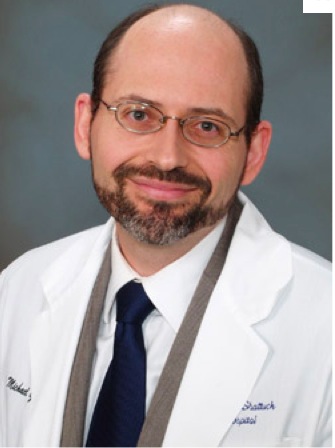
From Michael Gregor, M.D.s website --- The endotoxemia (bacterial toxins in the bloodstream) that follows a meal of animal products and results in inflammation and stiffened arteries may come from the food itself rather than from one’s own gut bacteria.
The issue of eating animals, including fish, will become increasingly a
worldwide economic and environmental issue, in addition to a public
health issue. Factory farms, including fish farms, as they are
currently designed are environmental disasters. Animal waste is flowing
into our water supply and animal gases into the atmosphere contributing
mightily to water pollution, greenhouse gases, and global warming, not
to mention diseases caused by e coli, mad cow disease, salmonella, etc.
Mass producing meat consumes an enormous amount of energy (fossil
fuels). As the worldwide population increases, and demand for meat and
dairy increases, the problem will turn into a crisis.
Unfortunately, moving to small organic farms, locally produced meat/dairy, and grass fed meat is not the answer. See this article.
Eating wild caught fish, rather than factory-farmed fish, is also not
the answer because our oceans are being depleted and ecological
imbalances result.
On a worldwide basis, we must find a way to reduce the demand for meat
products, and find more environmental friendly and animal rights
friendly ways to produce meat and dairy. My vote is to stop eating
meat/dairy entirely because it is a triple threat to health, the
environment and animal rights. I don't expect abstinence to be a global
solution, even though it is my personal solution. Neither producing
meat/dairy in currently configured factory farms, or in local organic
farms are answers to a huge problem.
I don't know what the larger answer is. What I do know is that I can
help by not consuming meat/dairy. I contribute a lot to my health and a
tiny bit to the larger problems. Some us ride our bikes, walk, and other things in part
to help save our environment. Why not double-down and give up, or at
least significantly reduce, your consumption of meat/dairy?
My whole foods plant-based eating style started in 2007. About
once a year, during that period, for about 2 months I keep track of my
nutrient intake using an excellent computer program Cron-O-meter. You can either download the program to your computer, or simply use the web-based program.
Cron-O-meter provides comprehensive feedback on macronutrients
(protein/carbs/fat/water) and micronutrients (vitamins/minerals/etc.).
With regards to protein, my average protein intake (all from plants) is
about 8% of calories per day. It ranges from 5% to 12%, depending upon
how many beans/legumes/nuts/seeds I consume. When I am riding lots, I
seem to naturally consume more high protein plant foods because I am
more hungry and I need the calories.
During this period I have maintained fairly high cycling mileage
(7-8,500 miles per year), and have had periods where I do fairly intense
resistance training. Never has lack of protein been a problem. I am
convinced that on a relatively low protein plant-based diet, my recovery
periods are shorter, and there is no lack of ability to build muscle.
The recovery period issue is discussed in depth in Thrive by Brendan Brazier.
The promotion of protein from dairy and meat by the meat and dairy
industries has perpetuated one of the most enduring myths in human
nutrition.
I believe that it is true that endurance and resistance training
athletes need more protein, but the numbers are relatively small, and
plant protein works as well, IMO better, than animal protein. In terms
of grams per day, I have averaged about 60-70 grams. The popular
guidelines for athletes is 2-3 times that amount. This is a very
debatable topic, but even professional body builders can do fine on only
plant proteins, and much less than the popular literature prescribes.
Check out Robert Cheeke. He eats lots of protein, but 100% from plants.
The point for most of us, who are not professional athletes training 4-6
hours per day, eating a wide variety of plant foods supplies all the
protein we need. If we were professional athletes, we would do fine by
eating more plants with lots of beans, nuts and seeds.
Taken directly from the Carnism website www.carnism.com, this is the definition of Carnism. This website is extremely interesting and might add a whole new dimension to the question, "Why do we eat meat?"
Carnism is the invisible belief system, or ideology, that
conditions people to eat certain animals. Carnism is essentially the
opposite of vegetarianism or veganism; “carn” means “flesh” or “of the
flesh” and “ism” denotes a belief system. Most people view eating
animals as a given, rather than a choice; in meat-eating cultures
around the world people typically don’t think about why they find the
meat of some animals disgusting and the meat of other animals
appetizing, or why they eat any animals at all. But when eating animals
isn’t a necessity for survival, as is the case in the majority of the
world today, it is a choice - and choices always stem from beliefs.
We recognize that not eating animals stems from a belief
system; vegetarianism was named centuries ago. Accordingly, we don't
refer to vegetarians as "plant eaters," as we understand that eating
plants reflects an underlying ideology in which consuming animals is
considered unethical and inappropriate. Yet, we still refer to
"non-vegetarians" as "meat eaters," as though the act of eating meat
were divorced from a belief system, as though vegetarians were the only
ones who bring their beliefs to the dinner table. However, the reason
that many people eat pigs but not dogs, for example, is because they do have a belief system when it comes to eating animals.
Why, then, has carnism not been named until now? One reason is
because it's simply easier to recognize those ideologies that fall
outside the mainstream. A much more important reason, though, is because
carnism is a dominant ideology - an ideology so widespread and
entrenched that its tenets are considered common sense, "the way things
are," rather than a set of widely held opinions. And carnism is also a violent, exploitative
ideology; it is organized around intensive, extensive, and unnecessary
violence toward, and exploitation of, animals. Even the production of
so-called humane meat (and other animal products), a miniscule
percentage of the meat produced in the world today, exploits animals and
often involves brutality. The tenets of carnism run counter to the core
values of most people who would not willingly support the exploitation
of others or condone such violence toward other sentient beings. So
carnism, like other violent, exploitative ideologies, must hide itself
to ensure the participation of the populace; without popular support,
the system would collapse.
Omnivore and Carnivore: Inaccurate Terms
Just as "meat eater" is an inaccurate and misleading phrase to
describe those who are not vegetarian, so, too, are the other commonly
used terms, "omnivore" and "carnivore." These terms reinforce the
assumption that eating animals is natural, one of the most entrenched
and compelling myths used to justify carnism. "Omnivore" and "carnivore"
describe one's physiological disposition, rather than one's ideological
choice: an omnivore is an animal, human or nonhuman, that can ingest
both plant and animal matter, and a carnivore is an animal that needs to
ingest flesh in order to survive.
Carnistic Defenses
Ideologies such as carnism keep themselves alive by teaching us not
to think or feel when we follow their dictates, and one of the primary
ways they do this is by using a set of defense mechanisms which operate
on both the social and psychological levels. "Carnistic defenses" hide
the contradictions between our values and behaviors, allowing us to make
exceptions to what we would normally consider ethical.
The primary defense of the system is invisibility and the
primary way the ideology stays invisible is by remaining unnamed: if we
don't name it, we won't see it, and if we don't see it, we can't talk
about it or question it. But not only is the ideology itself invisible,
so, too, are the victims of the system: the trillions of farmed animals
who remain out of sight and therefore conveniently out of public
consciousness; the increasingly degraded environment; the exploited and
often brutalized meat packers and slaughterhouse workers; and the human
meat consumers who are at increased risk for some of the most serious
diseases of the industrialized world and who have been conditioned to
disconnect, psychologically and emotionally, from the truth of their
experience when it comes to eating animals.
But invisibility is only the first line of defense in the fortress
of carnism; the truth is impossible to completely obscure. So when
invisibility inevitably falters, the system needs a backup. Hence,
carnism teaches us to justify eating animals, and it does this by presenting the myths of meat (and other animal products) as though they were the facts
of meat, by promoting the Three Ns of Justification: eating animals is
normal, natural, and necessary. The Three Ns are institutionalized -
they are embraced and maintained by all major social institutions, from
the family to the state - and, perhaps not surprisingly, they have been
invoked throughout history to justify other violent, exploitative
ideologies (e.g., slavery, male dominance, etc.).
Carnism also defends itself by distorting our perceptions
of meat and the animals we eat so that we can feel comfortable enough to
consume them. We learn, for instance, to view farmed animals as objects
(e.g., we refer to a chicken as something, rather than someone)
and as abstractions, lacking in any individuality or personality (e.g.,
a pig is a pig and all pigs are the same), and to create rigid
categories in our minds so that we can harbor very different feelings
and behaviors toward different species (e.g., beef is delicious and dog
meat is disgusting; cows are for eating and dogs are our friends).
There are a number of other defenses that overlap with and support
those mentioned here, but all defenses serve a single purpose: to block
our awareness and empathy when it comes to farmed animals and the
products procured by their bodies. With awareness of carnistic defenses,
though, we are less vulnerable to their influence; we are able to step
outside the system and look at the issue of eating animals through our
own eyes, rather than through the lens of carnism.
Frank
Bruni is one of my favorite columnists. Here he shares his experience
of cutting back on red meat and alcohol because of his severe gout. He
cuts back, but does not eliminate. It amazes me how people who are
suffering debilitating illnesses because of the rich American diet
cannot just give it up. To me, good health is 1,000 time more important
that the "pleasure" of any food. Take a look at what he has to say.
Notice that in the article Frank shares an important insight. We can make our diets more healthy by substituting healthier foods for the 'evil' foods. We can do this without suffering. And, we can actually grow to enjoy the new healthier foods. What we learn to especially enjoy is lower body weight, better sleep, more energy, and overall better health.
Melanie Joy is a psychologist who has spent her career studying the psychology of meat eating, which she calls Carnism. This presentation, about an hour long, is the best analysis of why humans justify the slaughter of animals and consumption of animal body parts. Dr. Joy ends on an optimistic note. Americans are very slowly becoming aware of the animal cruelty that precedes their meat eating behavior. Understanding the root causes of Carnism will help us all become better humans. I urge you to watch this presentation that was given recently at Dr. John McDougall's Advanced Study Weekend.
This is a very interesting and inspiring 2006 interview with Frank Zane about reaching the optimal physical, emotional, spiritual and mental condition as we age. There is some great 'food for thought' here. Here are some intriguing quotes from Frank:
"I'm 65...... I just keep training to see how good I can
get, and for how long. My goal now is to improve every year for at
least the next five years. I don’t know what is possible, and I’m
taking it one year at a time. I just know that it keeps getting harder
and harder. I have to be more impeccable in my lifestyle. My diet has
to be close to perfect. I get very sore from workouts, and it takes
longer to recover. But that just means my body’s changing. I’m not
trying to be like I was when I was at my peak at thirty-seven, but I’m
curious to find out what’s possible."
"People say to me, “You look good for your
age.” But most people at sixty-five look like my father would look if
he were still alive. And that’s not good enough for me. I want to look
good for any age."
On training now versus when he was young, "It’s different. It was brand new then. I was
seeing my body take shape for the first time, developing more and more,
and then winning titles and becoming famous and all that. Now, it’s
about holding on and achieving as much as I can. I’m really motivated
by curiosity."
Comments: After many years of cycling, I have recently switched to a focus on resistance training (bodybuilding). I obviously did not start out with a Mr. Universe body, or a long history with training in the gym. Nevertheless, I find Frank Zane's words to be very inspiring. He is stretching the boundaries about what a person can achieve physically, mentally and spiritually as we age. Zane views the physical, mental and spiritual to be intertwined. I agree. Is it hard to become motivated to train hard in your late 60s? I have not found it hard at all. Like Frank Zane, "I am curious to find out what's possible." The fact that there are others who are also strongly motivated to excel physically at an advanced age is very empowering.